
If “seeing is believing,” then online shopping is basically a trust fall with your credit card. You can’t smell the leather or feel the fabric, but somehow you’re supposed to believe that a product photo taken on a cloudy Tuesday is enough to hit Buy Now.
In 2025, customers expect seamless checkouts and next-day shipping — and emotional validation. So how do you turn passive scrolls into purchase decisions? Here’s how smart UX, sharp SEO, and a little digital empathy are quietly fueling the next e-commerce growth wave.

1. Look Sharp: High-Quality Product Images
Visual trust is your first handshake. Without the luxury of physical touch, shoppers rely on your visuals to decide. But in 2025, “good-looking” isn’t enough — images must be fast, interactive, and optimized for AI-driven discovery.
- High-Resolution Product Images: Think of your catalog as a digital showroom. Offer crisp, zoomable images from multiple angles — or even short 3D videos. A 360° interactive view builds credibility instantly. Check out fitbyro.com for inspiration.
- Speed and Accessibility: Compress images without losing quality, and add descriptive alt text like “white leather sneakers with gum sole – side view.” That’s good for SEO and screen readers.
- AI-Ready Metadata: Tag your visuals with structured data for Google Lens and visual search — it’s the next frontier of product discovery.
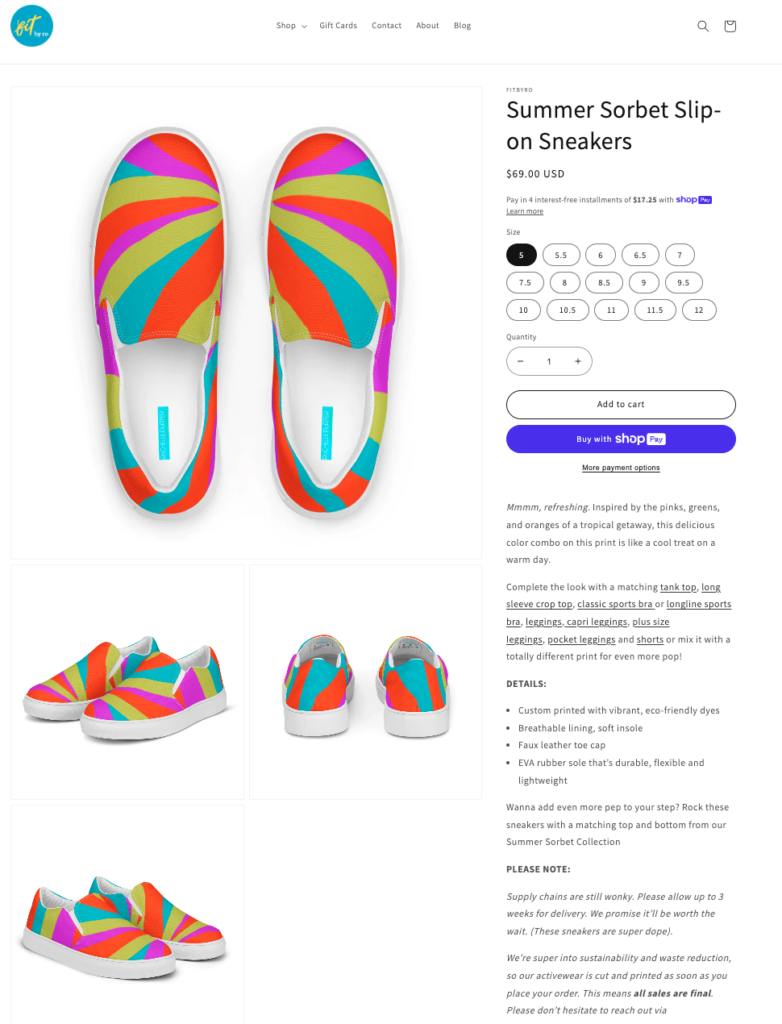
SEO tip: Use descriptive image alt text (e.g., “white leather sneakers with gum sole – side view”) to boost visibility.
2. Speak the Customer’s Language: Detailed Descriptions
“But what’s it made of?” If customers have to ask, your product page is missing an opportunity. Great e-commerce copy bridges the gap between storytelling and specification — and doubles as SEO gold.
- Detailed Product Descriptions: Talk about texture, origin, and feeling. “Handcrafted walnut cutting board from Vermont” tells a story and sells confidence.
- Long-Tail SEO Keywords: Sprinkle natural phrases like “organic Ethiopian coffee beans” or “vegan leather crossbody bag” to match real search intent.
- AI-Assisted Localization: Use translation tools to reach multilingual audiences without losing tone or cultural nuance.
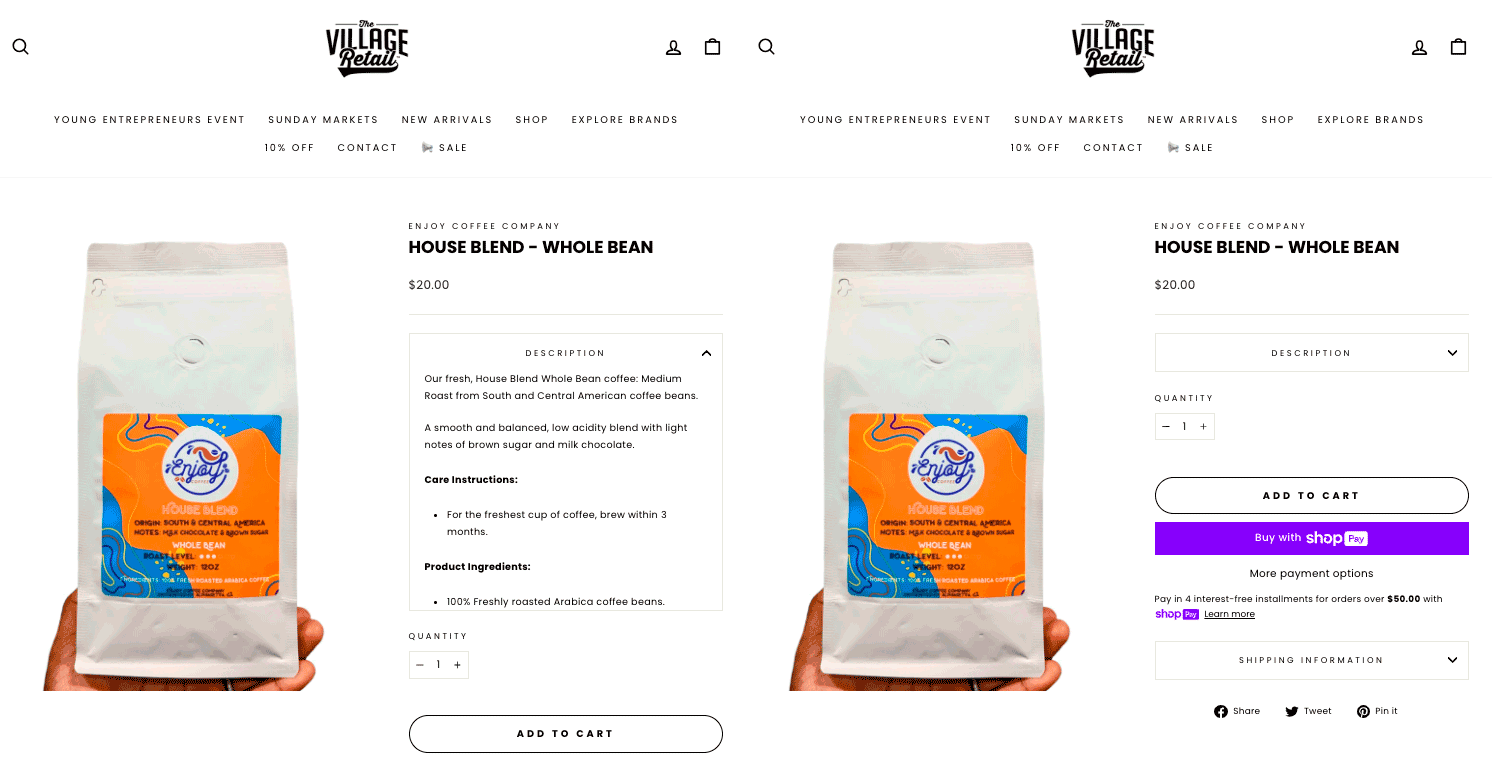
Pro tip: Use structured data (schema.org/Product) for every item — it improves how your listings appear on Google Shopping and AI search assistants.
3. Trust Through Transparency: Reviews, Q&A, and Real Voices
Nothing builds trust like other customers. In 2025, user-generated content is one of the strongest ranking signals and a key conversion driver.
- Customer Reviews: Encourage both good and constructive feedback. Authenticity wins over perfection.
- Q&A Sections: Let users ask questions and answer each other. This improves SEO while reducing pre-purchase hesitation.
- Verified Buyer Tags: Add credibility badges or “purchased on” labels to reinforce authenticity.
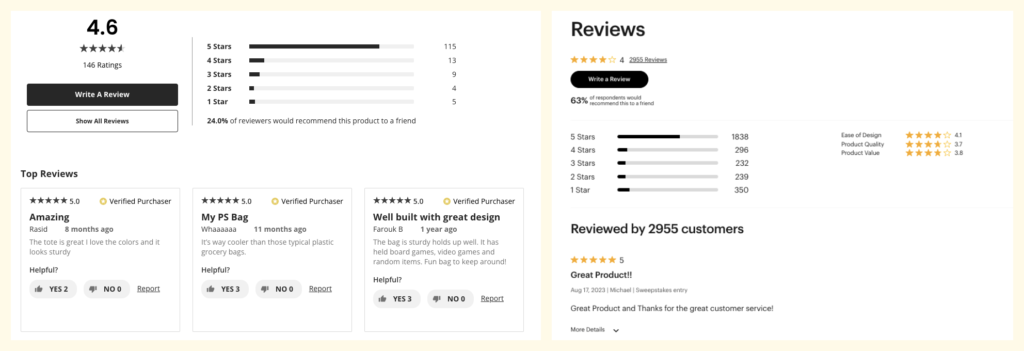
SEO bonus: Fresh reviews count as user-generated content, which keeps pages “alive” and relevant in Google’s eyes.
4. Checkouts That Convert: Fast, Secure, and Friendly
Nothing kills conversion faster than friction. Modern checkouts must be instant, transparent, and mobile-first — because 70% of e-commerce traffic in 2025 comes from phones.
- Progressive Checkouts: Keep it simple — no unnecessary forms. Offer Apple Pay, Google Pay, and local wallets.
- Trust Signals: Add SSL icons, refund guarantees, and customer support availability near the “Pay” button.
- Speed Optimization: Compress assets, pre-load steps, and test performance regularly. Faster sites = higher ranking + fewer abandoned carts.
A straightforward, step-by-step checkout is more than just user-friendly – it’s customer-endorsed. Offer a progress indicator, be upfront about any extra charges, and above all, make it quick! Check out the clean and clear checkout at frenchbroadchocolates.com. Delicious, right?
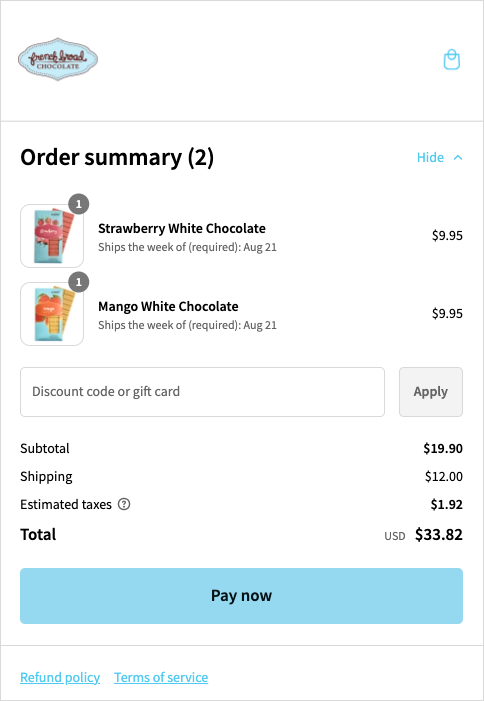
SEO note: Faster sites rank better. Optimize load times, especially on mobile.
5. Reassurance in Their Inbox: Smart E-Commerce Emails
Communication doesn’t end at checkout — it deepens. Each email is a chance to reinforce confidence, improve customer retention, and drive repeat sales.
- Personalized Email Sequences: Automate confirmations, delivery updates, and product recommendations based on purchase behavior.
- AI Copy Assistance: Tools like Klaviyo AI or HubSpot Content Assistant personalize tone and timing for different customer segments.
- Post-Purchase Reviews: Follow up with a friendly request for feedback — it feeds trust loops and SEO freshness.
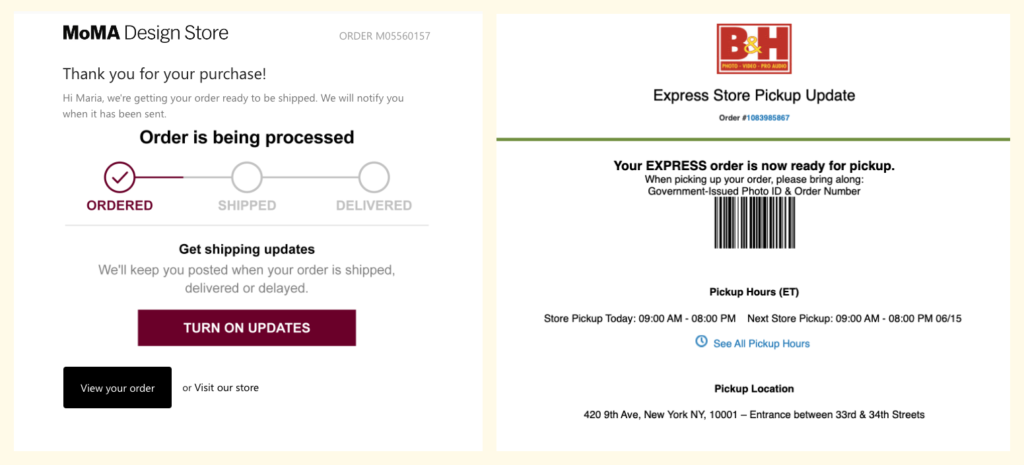
Right from order confirmations to shipping updates, keep the lines of communication open. Every email reinforces trust, ensuring customers that their order is on its way. For a taste of excellence in action, peek at these screenshots from MoMA Design Store and B&H.
Pro tip: Add a review request to your post-delivery email and keep that feedback loop going.
Trust Is the New Conversion Hack
In 2025, trust isn’t a soft metric — it’s a growth lever. The winners are building faster sites, writing sharper copy, and designing with empathy, not just efficiency. Your product might be awesome, but if your experience isn’t? Good luck.
Need a team that gets this? Bits Kingdom builds e-commerce experiences that are lightning-fast, emotionally aware, and conversion-ready. Let’s turn clicks into customers who come back.
